
informal sharing vs. milk banking
Sharing your milk with someone you know?
Some moms share outside an accredited milk bank, and the intention is a good one. The two paths aren't rivals - in fact it celebrates the power of human milk and many mothers do both. Here's the difference, so whatever you choose, you choose it knowing what each involves.
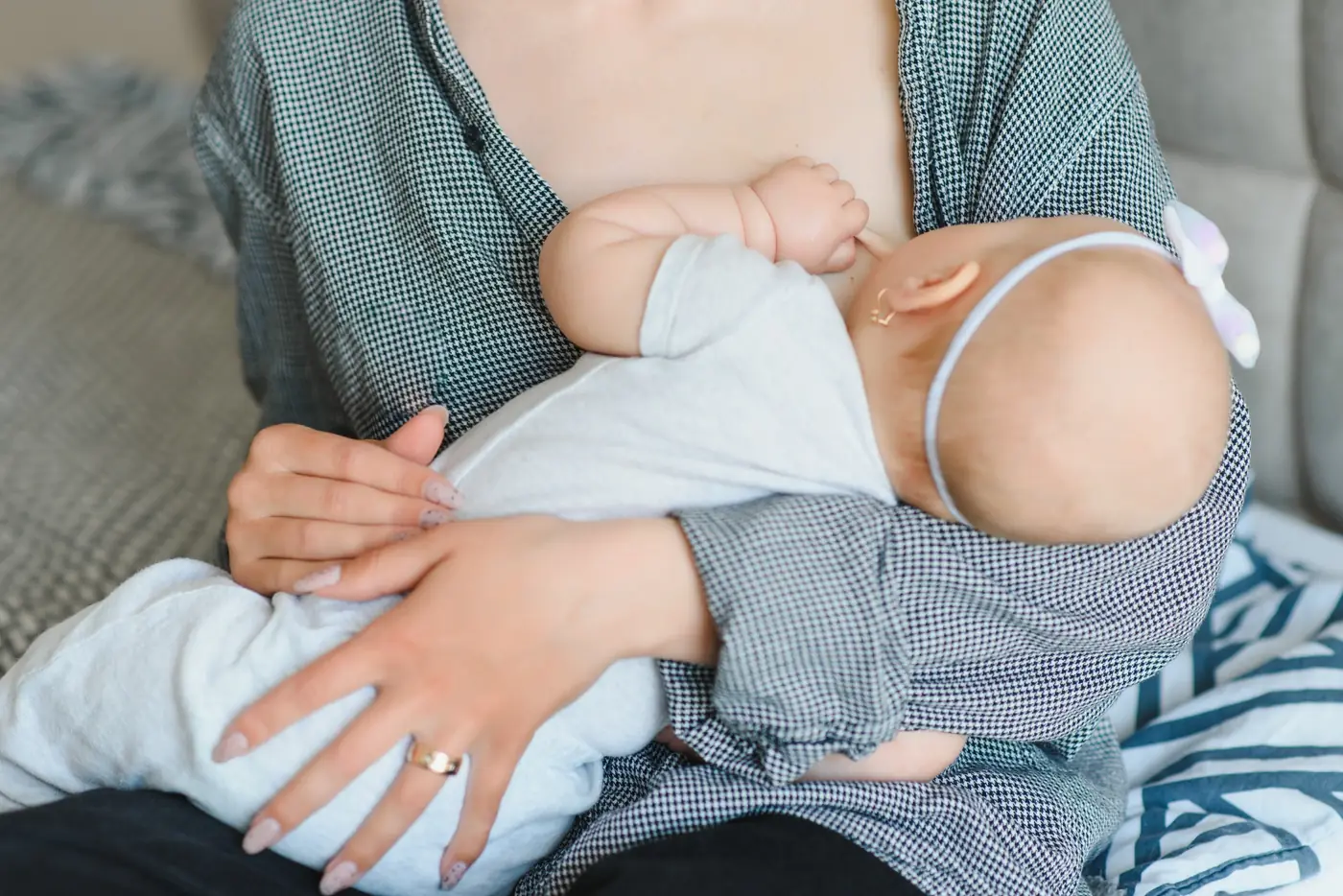
the real difference
The difference is who receives the milk and what screening happens first.
Both move milk from a mother who has extra to a baby who needs it. Both are built on extraordinary generosity. What changes is what happens in between.
milk banking
Screened and tested
- Health and lifestyle screening, including medication review and required blood testing
- Holder pasteurization followed by microbiological testing
- Milk is tracked through processing and distribution
- Reaches fragile NICU babies as well as infants receiving donor milk at home
informal sharing
Direct and immediate
- Milk goes directly from one family to another
- Health information is self-reported; screening and lab testing are not required
- Milk is typically not pasteurized or independently tested
- Parents should make feeding decisions with their baby’s healthcare provider
Why the screening exists. When researchers ran standard donor blood tests on women offering milk peer-to-peer, about three in a hundred tested positive for an infection they didn't know they carried. Research also found higher levels of bacterial contamination and in rare cases cow’s milk adulteration (up to 10%). That's not a reason to distrust a friend or another mother. It's a simple reminder that NICU and premature babies have no margin for error and must use screened milk. The AAP, FDA, and CDC all point to accredited milk banks as the safest source.
you don't have to choose
You can help the baby next door and the baby in the NICU.
If you share some milk with a family you know, that's a genuine gift. If you also become a screened donor, your milk can reach fragile hospitalized babies who require screened, pasteurized and tested milk.
We are not competing with the friend you want to help. We are simply the only safe way to reach the babies who cannot receive milk any other way.
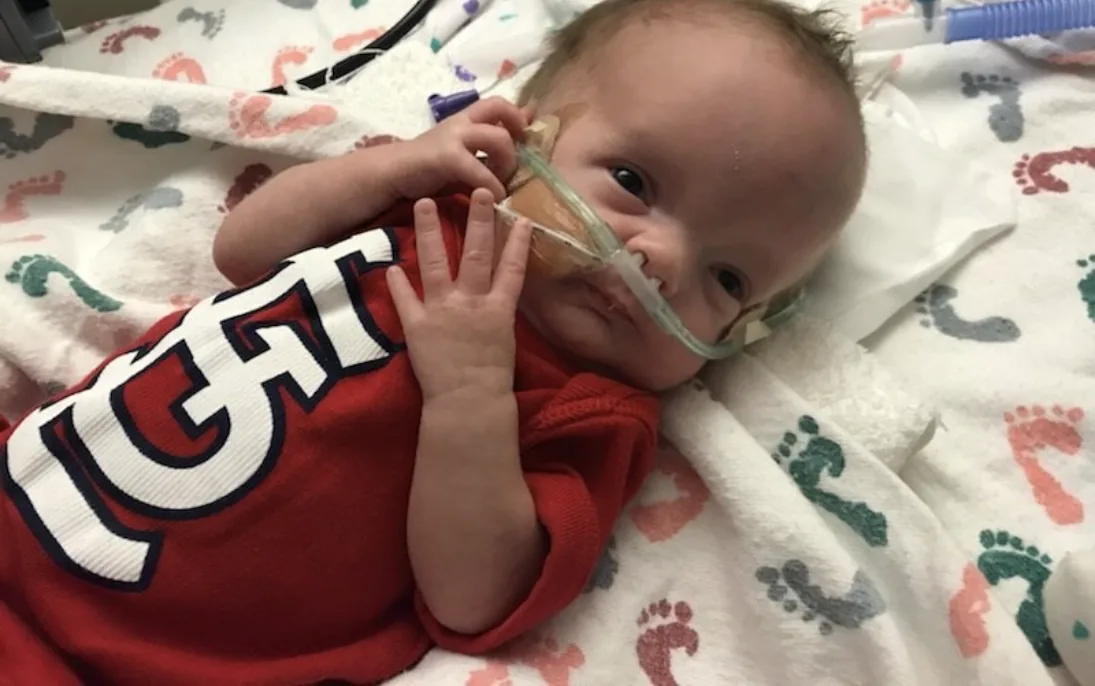
Curious what actually happens to milk you donate? How milk banking works
when you're ready
Your extra milk is a lifesaving gift.
Becoming a screened donor for the milk bank is a remarkable act of generosity. You are providing not just nutrition, but love and hope for someone you may never meet. The process is free and it provides a safety net to babies in our community who are the most medically vulnerable. That is why the screening is critical. Our babies often have no other options. Even if you share milk with people you love, consider exploring milk donation too.