
who your milk reaches
The milk in your freezer can become a fragile baby's next feeding.
You already know what your milk means to your own child. It is worth knowing who else is on the other end of it. The babies who receive donor milk are almost always the ones with no other safe option.
2.3 million feedings in a single year
In 2025 that is 2,300,000 separate moments when a fragile infant was nourished and a mom felt supported, because somewhere someone pumped more than her own baby needed and made the choice to pass the love on.
who receives it
Two very different families, one thing in common.
All of them needed help meeting their baby’s needs.
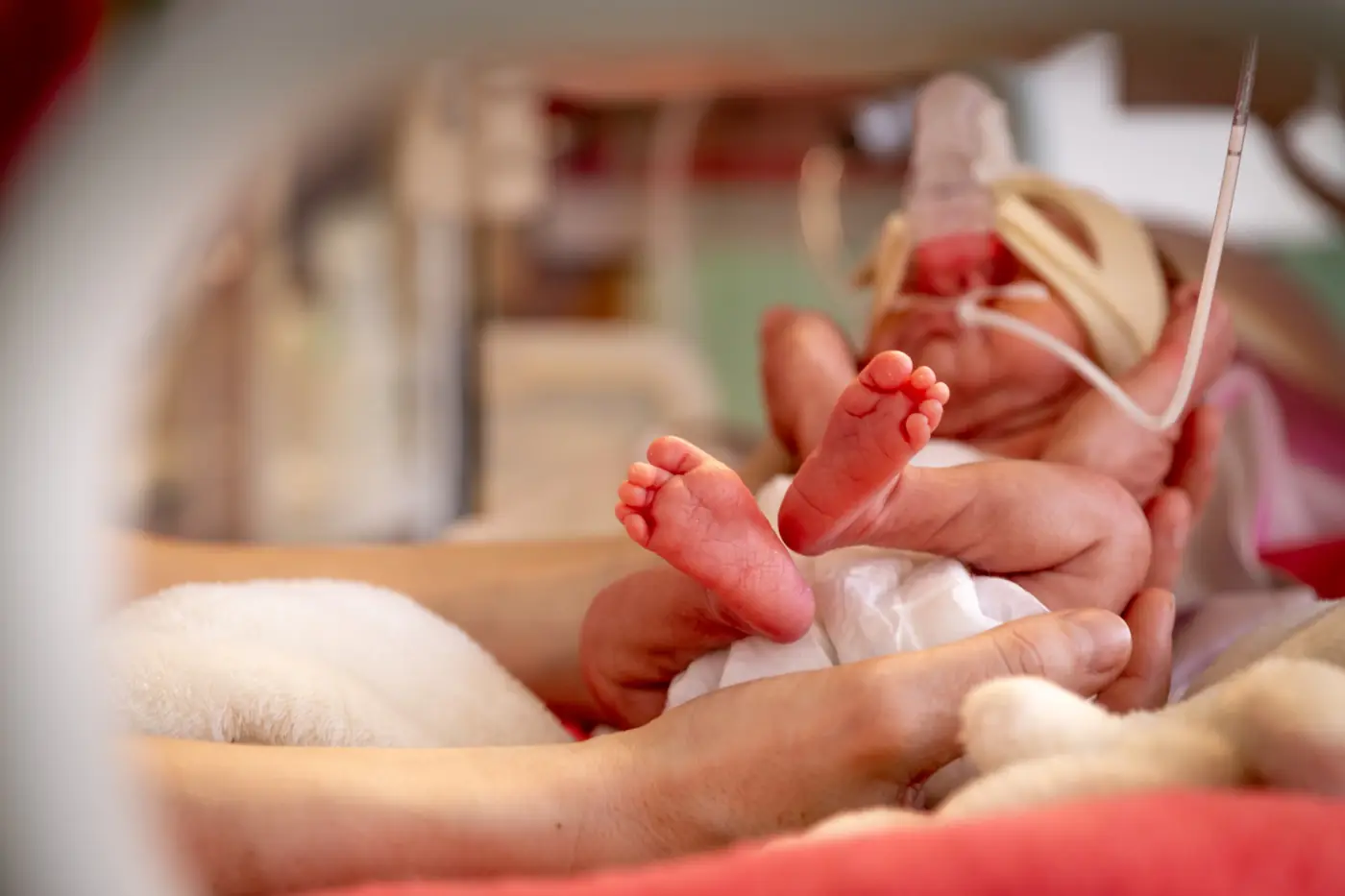
the premature baby
Born too early, with a gut too fragile for formula
For the tiniest babies in the NICU, an exclusive human milk diet can reduce the risk of necrotizing enterocolitis (NEC), a devastating neonatal intestinal disease. When a mother's own milk is not available yet, pasteurized donor human milk provides an important alternative.
The New Mom
A mother whose supply hasn't come in yet
Breastfeeding is natural, but not always easy! Even working with lactation support sometimes a mom’s supply simply hasn't been established. Donor milk bridges those first critical days so her baby is always protected.
one family's experience
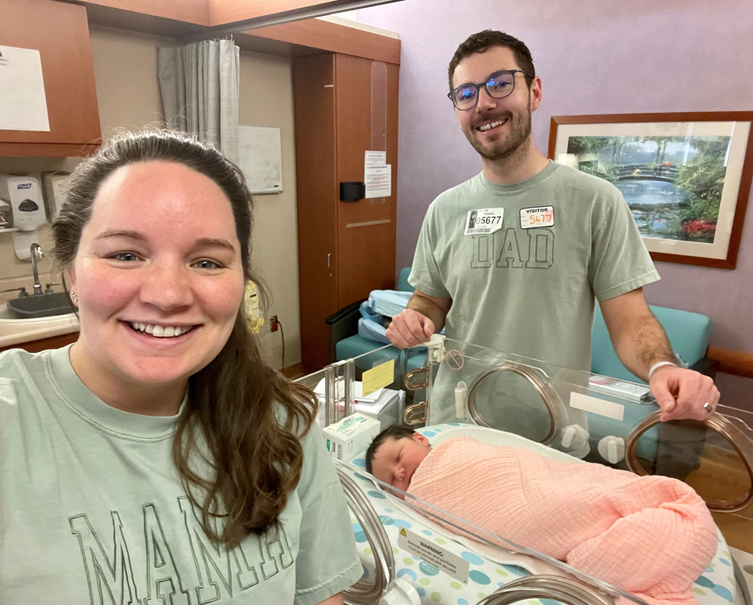
Donor milk bridged the gap while Rachel waited for her own supply.
“Eloise was born eleven days early and was quickly swept away to the NICU. As I worked on pumping and waiting for my supply to come in, I was able to supplement my breast milk with donor milk. It meant the world to me to have donor milk as an option.”
Rachel, Mom to Eloise - milk recipient & milk donor
where it goes
Your milk does not reach just one baby. It reaches whichever baby needs it most.
It's pooled for protection. Your donation is combined with milk from other mothers. It is nutritionally analyzed, pasteurized, and microbiologically tested before it ever reaches an infant.
Any size counts. It doesn't have to be enough to feed a baby for a month. It becomes part of a shared supply that hospitals draw on for whichever fragile infant is in front of them, on whatever day the need arises.
why the need is constant
Every month, the shelves have to be filled again.
Fragile babies are born every day, and donated milk has a limited shelf life, so the supply is never finished. It takes approximately 2,000 milk donors each year to keep fragile infants nourished – and the demand continues to grow. That means nearly 200 new milk donors must step forward every single month to make sure we can continue to say yes to every baby in need.
The milk in your freezer right now answers a need that is sometimes hidden, but is real, immediate and close to home.
Human milk saves lives. For the babies waiting on it, your milk is exactly what they need to survive and thrive.
When you're ready to understand what happens to milk that gets donated: How milk banking works
when you're ready
The milk in your freezer could be the reason a baby goes home.
There is no minimum, and your own baby always comes first. Screening is free, free lactation support comes with it, and most donors are approved in about 20 days. Every ounce counts, and this is where it starts.